DPE 2027: some homes will improve their rating without any works
The electricity conversion coefficient will fall from 1.9 to 1.7 on 1 January 2027. This change may improve the rating of certain properties, with a free certificate for the surveys concerned. Here is how to understand the change and prepare letting or renovation decisions.

Gaston michelin
Agent immobilier
Can a home get a better energy rating without its owner replacing the windows or the heating? From 1 January 2027, the answer will be yes in some cases. The calculation of the energy performance certificate (DPE) is changing for electricity. This news affects sales, lettings and renovation projects, but it must be understood precisely: a change in the calculation does not physically transform the building and does not allow a lower bill to be deduced automatically.
A regulatory change already scheduled
The order of 19 August 2026 lowers from 1.9 to 1.7 the factor for converting final energy into primary energy for electricity used in the DPEs and energy audits concerned. It comes into force on 1 January 2027. New surveys carried out from that date will use this value. [1] [4]
Final energy is that used in the home, whereas primary energy takes into account a calculation convention upstream of that use. The DPE uses this second reading for part of its assessment. When the electricity factor falls, the calculated primary consumption associated with electricity falls, for the same final consumption.
This measure continues a change that already took place in January 2026. For an owner, however, the decisive point remains the situation of the survey currently valid and the result of the official calculation applicable to the property. The current letter is not enough to predict the one that will be obtained.
Not all homes will gain a band
Properties that make heavy use of electricity for heating and hot water are particularly affected by the change. But the improvement in the rating also depends on consumption levels, emissions and classification thresholds. Service Public specifies that the gain is not systematic; some homes could improve their rating by one band, more rarely by more. [2]
A home that already performs well may keep the same letter despite a more favourable consumption indicator. Another, close to a threshold, may cross it. Floor area, equipment and the characteristics entered in the survey all play a part in the result. Two electrically heated apartments must therefore not be treated as identical.
The climate criterion also remains to be examined. A simple multiplication applied to the consumption value does not allow all the DPE rules to be reconstructed. The rating must come from the survey or the official certificate, and not from a calculation improvised in a property listing.
A free certificate for the surveys concerned
The scheme provides for the possibility of downloading an official certificate on Ademe’s DPE-Audit Observatory, by entering the survey reference. This step will be available from the date of entry into force and will not require a new visit from the assessor to take account of the change of coefficient alone. [3]
The certificate is attached to the existing DPE. It does not erase its history, does not correct any data errors and does not extend its original period of validity. A survey that has already expired therefore cannot be made usable by this step alone. The original documents and the certificate must be kept together.
Before preparing a sale or letting in 2027, the owner can already find their full report and its number. If works or changes of equipment have taken place since the survey, the value of a new assessment must be examined separately. The certificate answers a change in the calculation, not all the possible changes to the home.
A change of letter does not change the meter
Take a teaching example limited to the electricity component: 100 units of final energy give 190 units of primary energy with a coefficient of 1.9, then 170 with a coefficient of 1.7. The primary value calculated in this way falls by about 10.5%. The 100 units of electricity used in the home, for their part, remain unchanged.
This example is neither a new full DPE nor a promise of a lower bill. It helps to understand why the rating can change without any work on the building. Winter comfort, ventilation and physical heat losses keep their importance for the occupant.
To compare two homes, you must therefore look at the date of the survey, the applicable method and the technical information, as well as the letter. A regulatory gain can improve the owner’s position while leaving useful works to reduce expenses and improve use.
The consequences for letting must be examined precisely
The DPE rating enters into the requirements for energy decency. In mainland France, the timetable targets homes rated G since 2025, then F in 2028 and E in 2034, depending on how the conditions apply to contracts. An official improvement in the rating can therefore change the analysis of a letting or of a plan to keep the property. [2]
The right document must nevertheless be obtained before concluding. The announced change does not allow a new letter to be assigned to the home now. General condition, decency and the other lease obligations also continue to be checked. A better rating does not solve a problem of damp, safety or equipment.
For a landlord, it is useful to prepare several hypotheses: the rating stays the same, it improves, or works remain necessary. The letting calendar, quotes and cash flow can then be organised without depending on a result that is still unknown.
Renovating with an aim of use and wealth
The new calculation may lead to a programme being reviewed, but it does not cancel technical needs. Insulation, controls, ventilation and equipment must be compared according to their expected effects, their cost and their consistency with the building. In a co-ownership, collective decisions and works already voted must also be taken into account.
The useful question becomes: which project improves the home and its regulatory position enough for the budget available? A renovation scenario must answer this question with consistent estimates and documents. The conditions for aid and the supporting documents required must be checked when the application is filed.
Steps to prepare this autumn
Find the full DPE, check its validity, keep the proof of works and identify the deadlines of your project. In January, use the official result to update the file and listings if the property is concerned. This preparation allows decisions to be made on the basis of verifiable documents.
At LGH Patrimoine, energy analysis complements the valuation and the sale or letting strategy. The 2027 change deserves to be built into the project, with a clear distinction between an improved rating, the savings actually expected and the works needed for the quality of the home.
Sources
[1] Légifrance - Order amending the electricity conversion factor - 19 August 2026; in force from 1 January 2027
[2] Service Public - New DPE calculation: homes concerned - 1 September 2026
[3] Building regulatory portal - FAQ on the conversion factor - Consulted on 4 November 2026; 2027 timetable
[4] Ministry responsible for housing - Presentation of the order - 31 August 2026
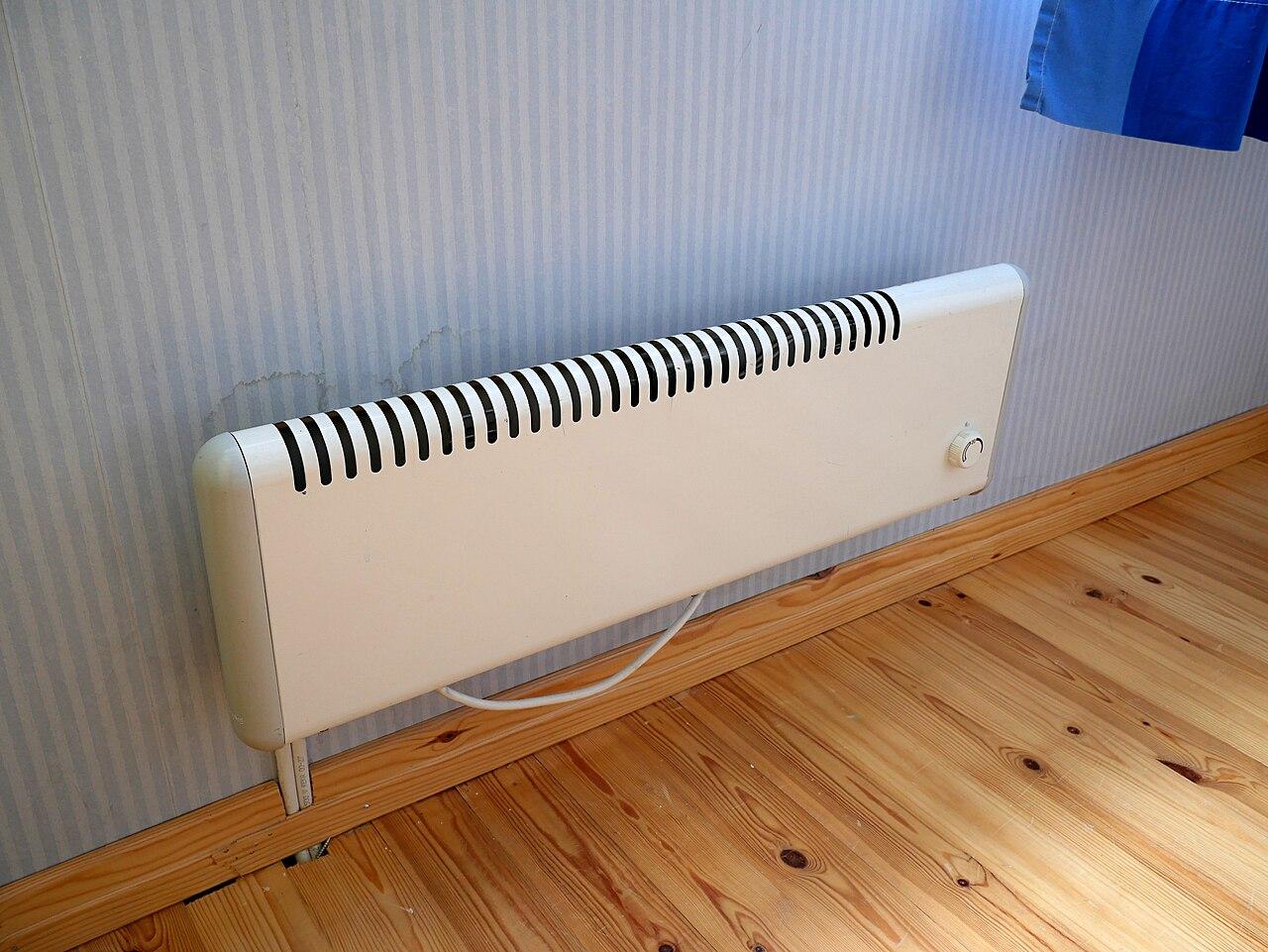
Photo credit: Santeri Viinamäki, White electric radiator.jpg / Wikimedia Commons — CC BY-SA 4.0. Illustrative photograph taken in 2016; it shows neither an official energy performance certificate nor the energy rating of an identified home; image resized by the source.