Airbnb: what owners need to anticipate with national registration
A new online service is to centralise the registration of tourist furnished lettings. Its rollout, announced for the fourth quarter of 2026, does not replace other authorisations. For owners, the right reflex is to prepare supporting documents and check the local framework before any letting.

Gaston michelin
Agent immobilier
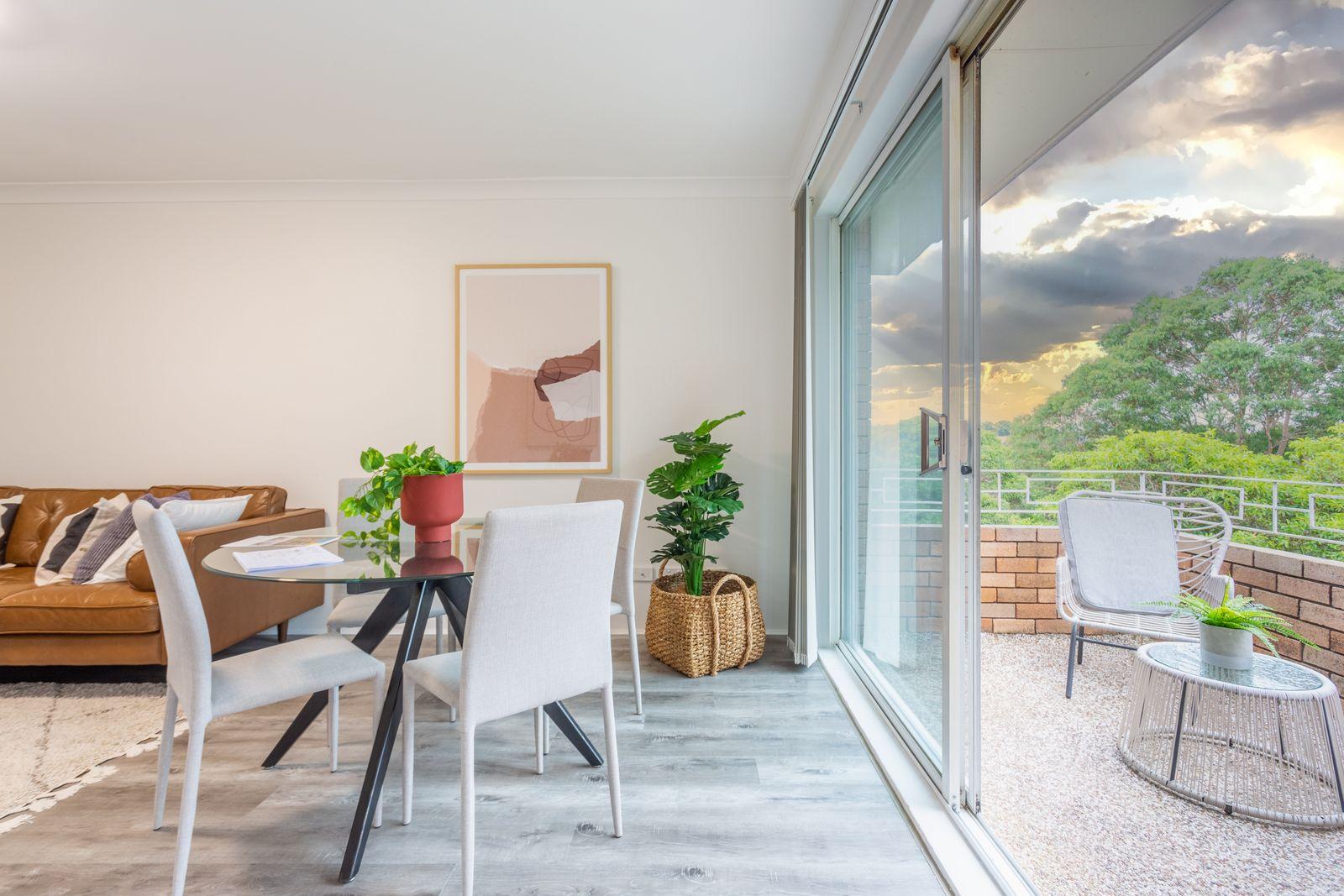
Letting for a few nights on a platform can seem simple: create a listing, set a price and welcome a guest. For the owner, the property file is broader. The status of the home, local authorisations, co-ownership and formalities must be examined before the booking. The forthcoming national registration adds an important change to this arrangement. In autumn 2026, the challenge is to prepare the transition without confusing the announced timetable, the actual launch and the obligations that already exist.
What the national framework provides
The Tourism Code defines tourist furnished lettings as furnished homes for the exclusive use of a transient clientele who do not make their home there. Its article L324-1-1 provides for a declaration leading to registration with a national online service, with information on the host and the property. [1]
This formality aims at identifying the activity and monitoring the rules that apply. It does not change the nature of the home and does not, on its own, create a right to operate a property as a tourist letting. The owner must therefore separately check the other conditions needed for their project.
The notion of main residence is particularly important. It refers to the real occupation of the home, with the conditions and exceptions provided. Declaring a property under this status means being able to justify the situation. A classification chosen to make a listing easier does not replace the facts.
The operational rollout must be distinguished from the announcement
The Directorate-General for Enterprise (DGE) announces the new version of the furnished-lettings API and the associated online service for the fourth quarter of 2026. It specifies that, until launch, the obligations and procedures provided for in the municipality continue to apply. The timetable must therefore be followed on the official pages at the time of the transaction. [2]
This difference explains why information is sometimes hard to reconcile between the first legislative announcements and practical instructions. For an owner, the useful step is to keep the municipal reference currently required and to check the actual opening of the new service, with its final arrangements.
The DGE also announces a transition for properties already registered, with several months to renew the numbers concerned after launch. The precise length and the starting point must not be invented. An old number does not automatically become unusable on the day an owner reads information about the reform. [2]
The registration number is not the full set of authorisations
Registration makes it possible to identify a furnished letting. Change of use answers another question: under what conditions can a home be devoted to short-term activity? Depending on the municipality and the situation of the premises, additional authorisations may be needed before operation begins.
Paris provides a concrete example. The City recalls that tourist letting of a home that is not the main residence requires the necessary authorisations from day one. For a main residence, the general Parisian limit indicated is 90 days a year, subject to legally specific situations. These local rules must not be automatically extended to every French municipality. [3]
The new national portal does not remove these distinctions. Before buying with a tourist-letting plan, you must therefore check the property’s regime and the real possibility of obtaining the authorisations. The projected yield only makes sense once this use has been examined.
Co-ownership and the right to occupy the property remain essential
An apartment is in a building whose rules may regulate or prohibit certain uses. Service Public advises examining the co-ownership regulations and the applicable provisions. The organisation of the activity must also respect the conditions of occupation and the peace of the other residents. [4]
A tenant who wishes to sublet must obtain the owner’s written agreement under the conditions required. Having a platform account or an administrative number does not replace this authorisation. The file must be consistent with the rights actually held over the home.
For the owner of an apartment, it is useful to gather the regulations, any amendments and the relevant decisions of the meeting. Having these documents examined before financing a refit avoids discovering a difficulty with operation too late.
The property’s information must be consistent everywhere
Address, floor, lot number, occupancy status and the host’s identity may appear in several files: town hall, platform, co-ownership, tax and insurance. A methodical preparation consists of checking that they are consistent. The supporting documents must match the home actually offered and its declared use.
The aim of the data sharing announced by the DGE is notably to bring the activity of furnished lettings closer to the registers used by local authorities. The scheme should allow a more consistent reading of listings and nights let. For the owner, reliable tracking becomes a component of management. [2]
This organisation remains necessary when several platforms are used. An annual cap applies to the home’s activity under the applicable rules, not to a separate number of days for each site. Centralising bookings and keeping statements makes it easier to monitor the calendar.
The budget must be calculated after the formalities
The potential income from a short-term letting depends on the number of nights actually sellable and occupied. Platform fees, management, cleaning not re-invoiced, maintenance, insurance and other expenses must then be included. Taxation must be studied separately according to the owner’s situation.
Take a teaching hypothesis: 70 nights at 150 euros represent 10,500 euros of gross annual revenue. This amount is neither a net yield nor a forecast for a Paris apartment. It helps to understand why a nightly price in a listing is not enough to compare the project with a residential letting.
The scenario must also allow for occupancy below expectations or a change of strategy. A property consistent with demand for long-term lettings may offer more possibilities, but the contractual, regulatory and financial conditions of each use must be compared.
Preparing the transition with the right documents
The priority checks concern the status of the home, the municipality’s rules, the co-ownership regulations, authorisations and proof of identity or occupancy. You must then follow the opening of the online service and its final instructions, while keeping the procedures currently required.
LGH Patrimoine can support you with the property and letting analysis of the project. The aim is to choose a feasible use, build a complete budget and organise management with consistent documents. National registration fits into this file; it does not replace its preparation.
Sources
[1] Tourism Code - Article L324-1-1 - Version in force since 20 May 2026
[2] DGE - Furnished-lettings API and national online service timetable - Page updated 23 July 2026; consulted on 4 November
[3] City of Paris - Rules on tourist furnished lettings - Updated 25 March 2026
[4] Service Public - Letting your main residence as a tourist furnished letting - Consulted on 4 November 2026
Photo credit: Macourt Media, View of a Bright Modern Apartment with a Terrace / Pexels — Pexels licence. Illustrative photograph: the source does not state the location, and it is not attributed to any specific property or any identified Airbnb listing.